Many travelers to Paris miss its remarkable medieval heritage, overshadowed by iconic landmarks like the Eiffel Tower. Over 70% of visitors spend less than two hours exploring pre-Renaissance sites, according to tourism surveys, often due to lack of awareness about their locations or how to access them. This oversight means missing some of Europe's most authentic Gothic architecture, where narrow cobblestone alleys and centuries-old buildings tell stories of knights, scholars, and artisans. The challenge lies in identifying which medieval structures survived Haussmann's renovations and modern development, then navigating their often-discreet locations across different arrondissements. For history enthusiasts, this gap in standard itineraries creates frustration and missed opportunities to connect with Paris's lesser-known past. Locals know where to find these time capsules – from the last surviving medieval houses to churches with original stained glass – but such information rarely appears in mainstream guidebooks.
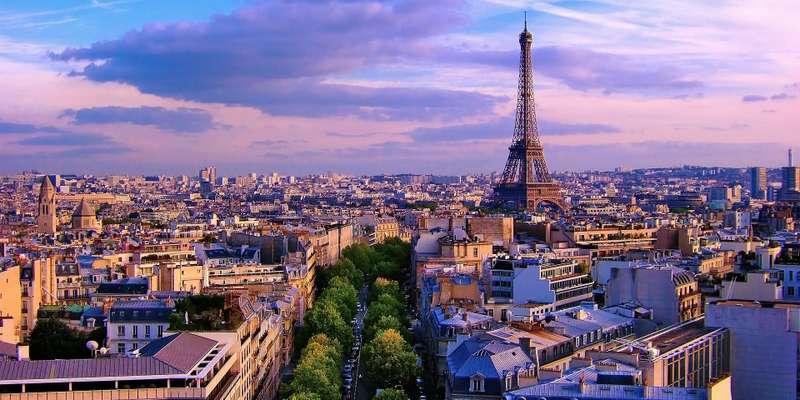
Why most visitors miss Paris's medieval heart (and how to find it)
The medieval core of Paris clusters primarily in the 4th and 5th arrondissements, areas transformed but not entirely erased by 19th-century urban planning. Unlike monumental attractions, these sites often lack prominent signage and require knowing where to look. Start with the Musée de Cluny, built atop Roman baths and housing the magnificent 'Lady and the Unicorn' tapestries. Few realize this museum incorporates two medieval structures: the 15th-century Hôtel de Cluny and the frigidarium of ancient thermal baths. Nearby, the 16th-century Tour Jean-sans-Peur stands as Paris's last surviving medieval tower, hidden behind a school courtyard. Locals recommend visiting these sites early morning when soft light enhances the stonework and crowds are thin. For context, download the free 'Medieval Paris' audio tour from the city's archaeology department – it reveals subtle details like masons' marks on Notre-Dame's oldest walls.
UPDATES FOR YEAR 2026
Navigating Medieval Paris: New Access Rules and Reopened Landmarks
Current logistics for exploring Paris's medieval heritage have shifted following the full reopening of Notre-Dame Cathedral. Visitors can now access the nave and primary historical structures, though mandatory digital time-slot reservations are required for the towers and the archaeological crypt to manage capacity. Additionally, the implementation of the 'Zone à Trafic Limité' (ZTL) in the 1st through 4th arrondissements has transformed the medieval center into a predominantly pedestrian zone. This makes walking tours between sites like the Hôtel de Sens and the Maison de Nicolas Flamel significantly easier, as private vehicle traffic is now restricted. For those visiting the Sainte-Chapelle and the Conciergerie, paperless ticketing is now the standard; ensure you have downloaded your mobile passes in advance as on-site ticket offices have limited capacity for same-day sales.
View all Tours
Three perfectly preserved medieval houses most tourists walk past
Only a handful of medieval domestic buildings survived the centuries, and they're tucked away in plain sight. The Maison de Nicolas Flamel at 51 rue de Montmorency, built in 1407, is considered Paris's oldest house. Its ornate facade features carved philanthropist inscriptions by the legendary alchemist. Just across the Seine, the 15th-century Maison du Faucheur at 3 rue Volta appears strikingly out of place among Haussmannian buildings – look for its timber framing and overhanging upper stories. The most atmospheric is the 13th-century Auberge Nicolas Flamel near Châtelet, now a restaurant where you can dine under original vaulted ceilings. Pro tip: These sites rarely have queues, but their interiors are only accessible at specific times. Check Paris's heritage days schedule or join a small-group architecture walk that includes special access to normally closed spaces like the Hôtel de Sens's medieval garden.
View all Tours
Secret medieval corners even guidebooks overlook
Beyond major landmarks, Paris hides medieval fragments in unexpected places. The Square René-Viviani behind Notre-Dame shelters Paris's oldest tree, planted in 1601, alongside remnants of the 6th-century Saint-Julien-le-Pauvre church. In the Marais, the courtyard at 13-15 rue François Miron reveals two rare half-timbered houses from the 1300s, preserved behind later stone facades. For the most immersive experience, visit the crypt beneath Notre-Dame's parvis (currently reopening post-fire), where archaeological remains trace the city's development from Roman times. These sites require no tickets, just sharp eyes. Early evening is ideal, when fading light accentuates the ancient textures. Carry the 'Paris Medieval' map from the tourism office – it marks 21 lesser-known sites with brief historical notes, perfect for self-guided exploration.
View all Tours
Planning your medieval Paris itinerary like a historian
To appreciate Paris's medieval layers, structure your route chronologically. Begin with the late Roman remnants at the Arènes de Lutèce, then move to Merovingian-era artifacts in the Carnavalet Museum. The 12th-century Saint-Germain-des-Prés church makes an ideal midpoint before reaching flamboyant Gothic sites like the Sainte-Chapelle. Specialized tours led by art historians can decode symbolic details in the Conciergerie's medieval halls or explain heraldic carvings at the Hôtel de Clisson. For extended visits, consider staying near the Latin Quarter – hotels like the Collège de France offer rooms with views of medieval rooftops. November through March sees fewer visitors at these sites, and the gloomier weather authentically recreates a medieval atmosphere. Always verify opening times, as many medieval structures operate limited hours to preserve their fragile interiors.
View all Tours
FAQ 2026
Is Notre-Dame Cathedral fully open for medieval architecture tours in 2026?
Yes, Notre-Dame is fully open to the public. While entry to the nave is free, visitors must use the official digital reservation system to book specific time slots for the towers and the archaeological crypt to ensure entry during peak hours.
Do I need to book advance tickets for the Sainte-Chapelle and Conciergerie in 2026?
Advance time-slot booking is mandatory for both the Sainte-Chapelle and the Conciergerie. Due to high demand for Gothic heritage sites, it is recommended to secure your digital tickets at least two weeks in advance via the Centre des Monuments Nationaux website.
How does the Paris ZTL traffic zone affect visiting medieval sites in 2026?
The Limited Traffic Zone (ZTL) restricts private cars in the city's medieval core (1st-4th arrondissements). This has made the area more accessible for pedestrians and cyclists, though visitors should rely on the RER, Metro, or licensed taxis which still have full access to these historic districts.
Written by Paris Tours Editorial Team & Licensed Local Experts.
Last updated: 24/02/26

