Navigating Parisian markets can be overwhelming for travelers. With over 80 markets scattered across the city, visitors often waste precious vacation time wandering aimlessly or overpaying for tourist traps. A recent survey showed 63% of travelers leave Paris feeling they missed authentic market experiences, while 41% regret overspending on low-quality souvenirs. The frustration of language barriers, unclear pricing, and crowded stalls can turn what should be a delightful cultural experience into a stressful chore. This guide cuts through the confusion with insider knowledge to help you discover the real Paris beyond the postcard racks.
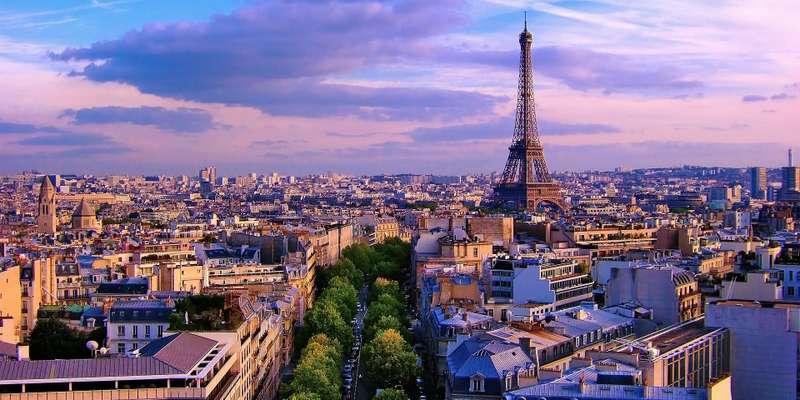
Decoding Paris market neighborhoods – where locals actually shop
The key to authentic market experiences lies in avoiding the overhyped tourist spots. While Marché aux Puces de Saint-Ouen might appear in every guidebook, Parisians prefer smaller neighborhood marches for daily shopping. The 11th arrondissement's Marché d'Aligre offers a vibrant mix of fresh produce, vintage finds, and street food at local prices – arrive before 11am to see chefs selecting ingredients. For specialty items, the 15th's Marché Convention excels in artisanal cheeses and charcuterie, with vendors often offering free samples. Remember that market days vary; Tuesday/Friday markets like Marché Saxe-Breteuil near the Eiffel Tower attract fewer crowds than weekend venues. These hidden gems provide better quality and prices while letting you observe Parisian daily rhythms.
View all Tours
Essential French phrases that unlock better deals
Language barriers cost travelers more than just cultural connections – they directly impact pricing. Mastering a few key phrases transforms your market experience. Always begin with 'Bonjour Madame/Monsieur' before browsing; this basic courtesy establishes rapport. For pricing, 'C'est combien?' (How much?) works universally, but adding 'Pour un cadeau?' (For a gift?) when buying multiple items often secures packaging perks. Vendors appreciate attempts to speak French, even if you switch to English afterward. If unsure about produce quality, ask 'Qu'est-ce qui est de saison?' (What's in season?) – this demonstrates knowledge and leads to better recommendations. For non-food items, 'Vous faites un prix?' (Can you do a better price?) works better than blunt haggling. These linguistic shortcuts help you navigate transactions smoothly while avoiding the 'tourist tax' markup.
View all Tours
Timing tricks for the best selection and atmosphere
Parisian markets operate on a precise unwritten schedule that most visitors miss. For food markets, the golden hour is 8:30-9:30am when restaurant buyers make their selections – you'll find peak freshness but need to move quickly. Mid-morning (10:30-11:30am) brings more relaxed browsing as the professional rush ends, with vendors more open to conversation. Contrary to instinct, Saturday afternoons actually offer surprising bargains at many markets as sellers reduce perishable stock – Marché Bastille vendors often discount beautiful flowers and produce by 30% after 2pm. Flea markets like Marché aux Puces de Vanves shine early (7-9am) for serious collectors, while casual browsers will prefer 10am-noon when more stalls are open. These timing nuances let you experience markets at their most authentic while avoiding both crowds and depleted selections.
View all Tours
Curating your perfect market day itinerary
Strategic market-hopping creates a richer Parisian experience than lingering at one location. Start your day with breakfast at Marché des Enfants Rouges (Paris' oldest covered market), where €5 buys fresh pastries and coffee beside locals. Take the Métro to Marché Maubert for lunchtime people-watching and affordable picnic ingredients near Notre-Dame. End your afternoon at Marché Saint-Pierre in Montmartre for fabric remnants and craft supplies – ideal for unique souvenirs. For evening visits, Marché Saint-Quentin stays open until 8pm with excellent wine selections. This progression lets you sample different market personalities while naturally following Parisian daily patterns. Always carry small bills (many vendors dislike breaking €50 notes) and reusable bags – not just eco-friendly, but signaling you're a prepared buyer. With this blueprint, you'll enjoy market diversity without exhausting backtracking across the city.
UPDATES FOR YEAR 2026
Modern Market Logistics: Digital Payments and Eco-Guidelines
Navigating the stalls now requires a few updated logistical shifts to match current city regulations. While small bills remain helpful, contactless payment (sans contact) has become the market standard for the majority of vendors, though many still maintain a card minimum of ten to fifteen euros. Additionally, France’s aggressive push toward a circular economy means single-use plastics are virtually non-existent; vendors now prioritize shoppers who provide their own reusable bags or glass containers for 'vendu au poids' (sold by weight) items like olives and cheeses. Travelers should also account for expanded 'Paris Respire' (Paris Breathes) zones, which transform many market-adjacent streets into pedestrian-only corridors on weekends, making the atmosphere more pleasant but requiring a short walk from the nearest open transit hub.
View all Tours
FAQ 2026
Do I need to carry cash for Parisian market shopping in 2026?
While over 75% of vendors now accept contactless digital payments, it is highly recommended to carry 20 euros in small denominations for transactions under 10 euros or for smaller traditional produce stands that may still have card minimums.
What are the sustainability rules for Paris markets in 2026?
Strict anti-waste laws have phased out single-use plastics. You are expected to bring your own reusable totes, and many vendors now offer 'zero-waste' service where they fill your own glass or silicone containers for prepared foods and deli items.
How does the 'Paris Respire' initiative affect market access in 2026?
Many markets, including those in the 1st through 4th arrondissements and near Canal Saint-Martin, are located within car-free zones on Sundays and public holidays. Plan to use the Metro or the expanded 'Plan Velo' bike lanes, as taxi access is restricted within these pedestrianized areas.
Written by Paris Tours Editorial Team & Licensed Local Experts.
Last updated: 24/02/26
