Capturing the perfect sunset photo of Paris' iconic bridges is a dream for many travelers, yet most end up with crowded, mediocre shots. Over 30 million tourists visit Paris annually, and nearly all flock to the same overcrowded viewpoints at Pont Alexandre III or Pont des Arts during golden hour. The frustration is palpable – you battle for space, deal with obstructed views, and often miss the magical light while adjusting settings. Worse, social media feeds create unrealistic expectations about having these landmarks to yourself. Local photographers know the secret: Paris reveals its true beauty to those who understand its rhythms and hidden perspectives. The right vantage point transforms your photos from generic snapshots into artful compositions where architecture, light, and the Seine harmonize perfectly.
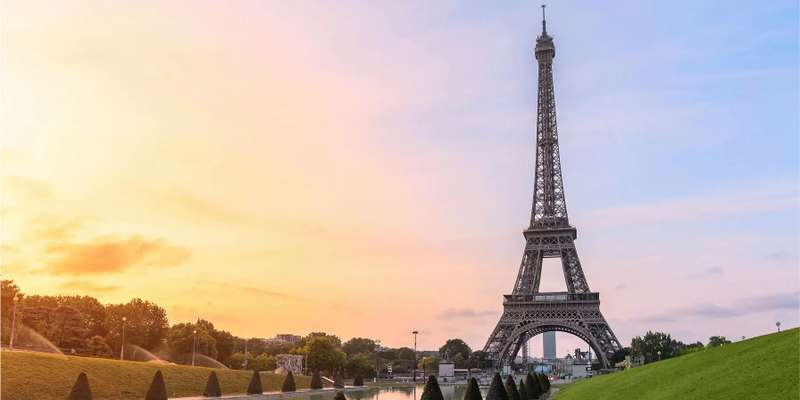
Why every bridge viewpoint fails you (and how to fix it)
The fundamental mistake photographers make is assuming all bridge viewpoints are created equal. In reality, factors like river current direction, surrounding building heights, and pedestrian traffic patterns drastically affect your results. Pont Neuf, while stunning, faces west with no foreground interest, leaving your sunset shots looking flat. Popular spots like Bir-Hakeim Bridge's metal framework creates harsh shadows during golden hour. Locals avoid these pitfalls by understanding micro-climates – how light reflects differently off the Seine's bends near each bridge. The solution lies in scouting secondary angles: downstream from Pont Marie, the water acts like a mirror doubling Notre-Dame's silhouette, while the Passerelle Debilly's elevated walkway lets you shoot over railing crowds. These subtle positional advantages separate postcard photos from portfolio-worthy art.
View all Tours
Three undiscovered spots professionals use (without the crowds)
Seasoned Paris photographers guard their favorite bridge viewpoints jealously, but these three locations offer accessible magic. First, the Pont de l'Archevêché's southeastern staircase provides a downward angle that frames Notre-Dame with passing bateaux-mouches in the foreground – arrive 40 minutes before sunset to claim this niche. Second, the pedestrian-only Pont Rouelle near the Eiffel Tower gives unobstructed westward views with ironwork that creates natural vignettes in your compositions. Most surprisingly, the Passerelle Léopold-Sédar-Senghor's wooden deck offers unique light diffusion; its aged planks cast warm tones that enhance golden hour skin tones in portrait-backdrop shots. None require special access, just local knowledge of when tidal patterns create ideal water reflectivity (typically 1.5 hours after high tide at Le Havre).
UPDATES FOR YEAR 2026
Restored Landmarks and Temporary Artistic Installations
The photographic landscape has been fundamentally reshaped by the completed restoration of the Notre Dame spire and the full reopening of the cathedral's towers. The Pont au Double has returned as a critical vantage point for head-on symmetry, while the Pont de l'Archevêché once again offers unobstructed views of the flying buttresses without construction cranes. Additionally, those visiting in June should account for the 'La Caverne' art installation at Pont Neuf, which temporarily replaces the classic limestone look with a dramatic rock-like texture. Photographers must also adapt to the city's 'Energy Sobriety' lighting plan; most bridge and monument illuminations, including the Eiffel Tower's golden glow, now power down at 11:45 PM, making the 11:00 PM sparkle the final guaranteed window for illuminated long exposures.
View all Tours
Timing secrets beyond golden hour – when Paris bridges truly shine
While most photographers fixate on the 30-minute golden window, Parisian bridges reveal deeper beauty during 'blue hour' – that fleeting 20-minute period after sunset when artificial lights activate but residual daylight remains. The Pont Alexandre III's gilded statues become radiant against a cobalt sky, while the Passerelle Simone-de-Beauvoir's modern architecture takes on a sci-fi glow. Smart shooters use this time for long exposures: a 6-second capture at f/11 transforms passing tourist boats into smooth light trails. Locals also know seasonal nuances – November sunsets align perfectly with the Pont Louis-Philippe's axis, creating a natural leading line to Île Saint-Louis' illuminated facades. These techniques require no special equipment, just an understanding of Paris' unique celestial rhythms that most tourists completely miss.
View all Tours
From frustration to gallery-worthy shots – a local's workflow
Transforming your bridge photography from disappointing to exceptional requires more than just location scouting. Parisian professionals employ a repeatable four-phase approach: First, they 'reverse scout' in midday light to identify clean sightlines without shadow complications. Next, they monitor cloud movements using apps like Windy to predict how cumulus formations will catch sunset colors. The actual shooting involves manual white balance settings (5200K with +3 tint compensates for the Seine's green reflections), and they always pack a circular polarizer to manage glassy water glare. Finally, the true secret lies in post-sunset patience – staying 25 minutes after other photographers leave captures the bridges' first illumination cycles, when warm artificial lights contrast beautifully with the deepening twilight. This holistic method turns chaotic tourist moments into controlled artistic opportunities.
View all Tours
FAQ 2026
Do I need a special permit for tripod use on Parisian bridges in 2026?
For personal and amateur photography, tripods are generally permitted on pedestrianized bridges. however, if you are using professional-grade equipment or blocking pedestrian flow on busy thoroughfares like Pont Alexandre III, the Préfecture de Police may require a 'Declaration of Filming' permit.
Where is the best spot to photograph the restored Notre Dame spire at sunset in 2026?
The newly reopened Pont au Double and the Quai de Montebello offer the best unobstructed views of the fully restored spire. For a classic sunset silhouette, position yourself on the Pont de l'Archevêché approximately 30 minutes before sunset to capture the western light hitting the cathedral's apse.
What are the updated lighting schedules for the Eiffel Tower and Seine bridges in 2026?
Under the current energy conservation measures, the Eiffel Tower’s illumination and most bridge decorative lights are switched off at 11:45 PM. The final five-minute sparkling display occurs at 11:00 PM, so ensure your long-exposure settings are ready by then to capture the full effect.
Written by Paris Tours Editorial Team & Licensed Local Experts.
Last updated: 24/02/26
